
"Brazil SC14/16"
19000 article(s) found

Nicaraguan Coffee treatment method-Saka River Manor Agua Sarca Estate washing Nicaragua
Professional barista communication, please pay attention to the coffee workshop (Wechat official account cafe_style) coffee by hand. We have a group of experienced people who know how to pick ripe coffee cherries. Each batch is classified according to species and altitude. Separate the floating objects with a siphon. It means that we put the coffee in the tank, so the heavy coffee cherries will sink into the water and the light ones will float.
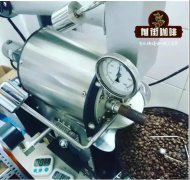
How much is the coffee bean in 2019? 2019 per jin of imported coffee bean price list of roasted cooked beans
Professional coffee knowledge exchange more coffee bean information Please pay attention to the coffee workshop (Wechat official account cafe_style) Coffee varieties are mainly divided into two categories, namely, Arabic and Robusta. Arabica varieties grow in a harsh environment and have high planting costs. The yield accounts for 2% of coffee production. The main producing areas are Brazil, Colombia and Latin America.

Does Brazilian coffee only have commercial beans? what's so remarkable about Brazilian Minas boutique coffee?
Professional coffee knowledge exchange more coffee bean information please follow the coffee workshop (Wechat official account cafe_style) Brazil Minas Coffee Brazil Minas Cafe Origin: San Hedwini Manor, Minas Minas Santa Edwirges treatment: sun and half-sun treatment baking method: deep-roasted City Roast packaging: half a pound and 2 bags Minah, Brazil
This year 2018 Yunnan coffee bean purchase price list telephone quotation-introduction of coffee prices in various countries
2017 Coffee Bean purchase Price-introduction of Coffee prices in various countries solid backing for the development of the market industry according to the current market data, emerging countries represented by China, Brazil, Russia, India and South Africa currently consume 20% of the world's coffee. By 2020, this proportion will reach 35%. Yunnan coffee trading center is located in China's main coffee producing areas, its trump card is

Brazil Sunshine Hilado-Cocamore Cooperative Information introduction _ Sunshine Hilado Coffee Flavor
Professional coffee knowledge exchange more coffee bean information please follow the coffee workshop (Wechat official account cafe_style) Brazil Cerrado Acaia Natural Black Diamond Brazil has been the world's largest output of Arabica coffee in recent years, most of them are mainly managed by groups and super-large estates, row-style coffee trees are planted endlessly, several stories high

2016 coffee bean price market coffee beans where to buy coffee beans how much is a jin of coffee beans supply and marketing platform
Yega Chuefei G3 moderate baking sun 78.00 156.00 jackfruit, spices, wine Yega Chuefei G1 moderate baking Guido 85.00 170.00 blueberries, honey, purple fruit, citrus blend Yega Xuefei G1 Ariga light baking sun 95.00 190.00 light fermented wine, sweet orange, spices, honey Yega Xuefei G2

Brazil Hilado Coffee Bean Cup score Measurement Flavor description characteristics Origin Information
Professional barista communication please pay attention to coffee workshop (Wechat official account cafe_style) Coffee beans: Brazil Cerrado Natural 2 Screen 18 roasting apparatus: Hottop roasting date: 2008/12/14PM16:00 roasting degree: City+ tasting Cup Test: 2008/12/14PM22:00 brewing utensils: Flying Eagle Grinding 2.5th Hario DWP-3 flannel hand brewing temperature:
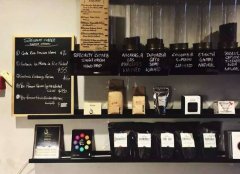
Introduction of Brazilian Hilado Coffee Bean Flavor Variety introduction of producing area Distribution Manor
The exchange of professional baristas please follow the coffee workshop (Wechat official account cafe_style) located in South America, Brazil began to grow coffee in 1727. At that time, coffee seeds were smuggled by Francisco de Mello Palheta from the neighboring French colony (French Guiana) in northeastern Brazil. In 1845, total coffee production in Brazil
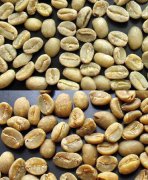
There are two methods for grading raw coffee beans in terms of sieve size, size
There are two ways to classify raw coffee beans, one is the filter number, and the other is the elevation. It is divided by the filter number, and the size is size in terms of the screen size. Round beans are generally smaller than flat beans, between 8-13 and 12-29. 8, 9, 10. 12, 13. 18. 29 = small, medium, ordinary. Quasi-big. Big, extra large. The bigger the size, the bigger the beans. Like SC-.
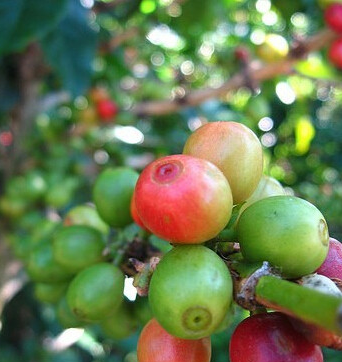
The price of coffee beans in the international market is declining. The coffee market in China is affected by the development of the coffee bean coffee machine industry.
Yega Chuefei G3 moderate baking sun 78.00 156.00 jackfruit, spices, wine Yega Chuefei G1 moderate baking Guido 85.00 170.00 blueberries, honey, purple fruit, citrus blend Yega Xuefei G1 Ariga light baking sun 95.00 190.00 light fermented wine, sweet orange, spices, honey Yega Xuefei G2
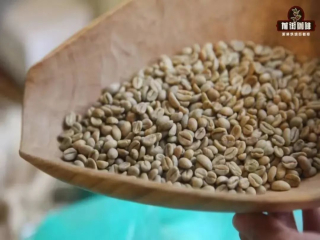
Introduction of coffee bean classification system in various countries in detail the coffee bean classification standards of Ethiopia and Kenya
A friend asked Qianjie, "Why are some coffee beans marked with AA, some with G1, and some with SHB? these letters seem irregular. How do I know which grade is high and which is low?" Why do you need grading? When we walk into the fruit store, we often see that the same fruit can be divided.

San dos Veloso Manor FC washed Brazilian coffee beans taste good _ introduction to Veloso Manor, Brazil
Professional coffee knowledge exchange more coffee bean information please follow the coffee workshop (Wechat official account cafe_style) Brazil Coffee Manor Veloso Manor introduction: Veloso has 10 manors, Catuai Manor. The founder of the Veloso family started the domestic coffee trade in 1840 and has been operating for generations. The name Veloso has been written in the history of Brazilian coffee for more than 150 years. nineteen

Coffee bean grade classification introduction of Brazilian coffee raw bean defect classification system
Professional coffee knowledge exchange more coffee bean information please follow the coffee workshop (Wechat official account cafe_style) front street-Brazilian coffee grading system introduction to Brazilian raw bean classification first coffee beans with parchment are shelled and removed by parchment machine. Workers then use vibration screening to grade coffee according to the density of raw beans. You know, density is an important measure of coffee quality.

Geographical location of Nalingong coffee producing area in Colombia? What kind of treatment does Nalinglong coffee use?
Professional coffee knowledge exchange More coffee bean information Please pay attention to coffee workshop (Weixin Official Accounts cafe_style) Colombia Na Linglong coffee production area geographical location? What kind of treatment does Nalinglong coffee use? Colombia is currently the third largest coffee producer in the world, after Brazil and Vietnam. Commercial beans were first cultivated in the 1830s, and coffee accounted for export farmers in the 20th century.

Introduction to the method of treatment in producing areas for describing the Flavor of single Coffee varieties in Brazilian Hilado Coffee
Brazil Syrador Brazil Cerrado ◎ Cerrado ◎ raw beans are washed or semi-washed ◎ flavor characteristics for Brazil's famous high-quality coffee producing area, high-quality Syrador coffee contains nutty aroma, the taste is soft and smooth, with a slightly sweet taste at the end. Syracuse is a famous high-quality coffee producing area in Brazil. Its processing method is relatively fine.
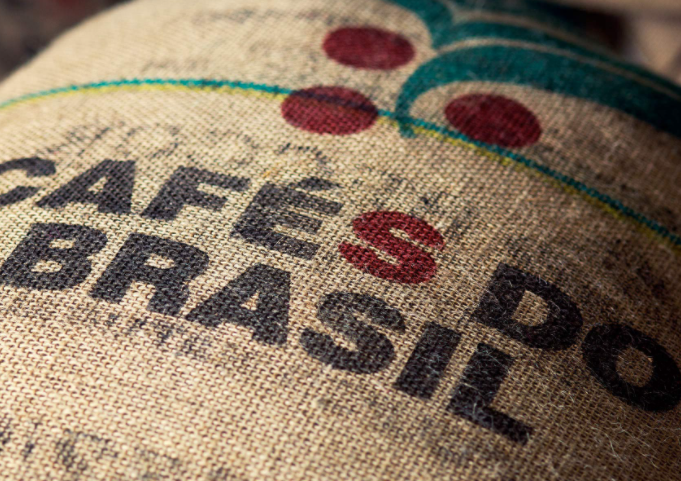
Grades and characteristics of Brazilian Coffee beans methods of boiling Water temperature of Bourbon Coffee beans in South Minas, Brazil
Following caf é (Wechat official account vdailycom) found that Beautiful Cafe opened its own small shop, Brazilian Coffee, which generally refers to coffee produced in Brazil. There are many kinds of Brazilian coffee, and like other Arabica coffee, Brazilian coffee is called Brazils to distinguish it from Milds coffee. As a matter of fact, at present, there is no unified grading in the coffee industry.

Brazil Hilado Coffee Manor-Bau Manor Information introduction _ production status of Fine Coffee beans in Brazil
Professional coffee knowledge exchange more coffee bean information Please pay attention to the origin of the coffee workshop (Wechat official account cafe_style) the farmer Mr. Fukuda is the sixth child in the family. The family has been engaged in fruit and vegetable cultivation. He emigrated to Brazil early with his family and is of second-generation Japanese descent. The turning point in his life came in 1983, when he went to Japan to visit the headquarters of the carmaker Toyota.

Brazilian Cocamore Cooperative Solar Syrador Coffee how to make it by hand
Professional coffee knowledge exchange more coffee bean information please follow the coffee workshop (Wechat official account cafe_style) Minas Gerais is a state in southeastern Brazil with more than 20 million residents. It ranks second in the country with a large population, the third in GDP and the fourth largest in terms of area. The state of Minas Gerais has 853 cities, the largest number in Brazil.
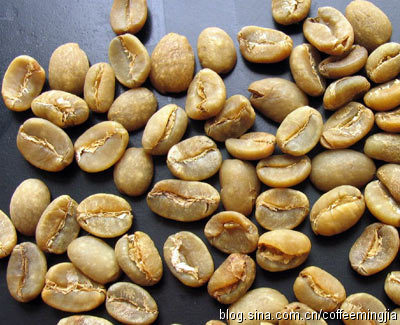
Introduction to the main points of the knowledge of raw coffee beans: a detailed explanation of the classification of raw coffee beans
The last step in the processing of raw coffee beans is grading, so what are the grading methods of raw coffee beans? Do different countries adopt the same approach? At present, there are three main rating criteria for raw coffee beans, and different countries adopt different rating methods according to their own production conditions and national conditions (not all coffee producing countries adopt the same method).

Brazilian mojiana Brazilian coffee features taste how about Brazilian mojiana coffee
Professional coffee knowledge exchange more coffee bean information please follow the coffee workshop (Wechat official account cafe_style) Brazil is the world's largest coffee producer accounts for about 30% of coffee production, but because Brazil is located in the tropical rain forest, the terrain is relatively flat with few high-altitude mountain forests, most coffee is grown in low-altitude non-volcanic soil, and there is not much shade as a shade.